Breaking the Silent Amputation Crisis – A Complete Guide to Early Detection of the Diabetic Foot

糖尿病足風險評估

At present, there are about 700,000 people with diabetes in Hong Kong, i.e. one out of every ten people is a diabetic (according to the Hong Kong Diabetes Association. Peripheral nerve complications occur in 30% to 80% of diabetic patients, of which 16% to 26% are associated with painful symptoms. For every 100 diabetic patients, about 15 to 25 of them have “diabetic feet” that need to be treated, and some feet have serious ulcers that need to be amputated (refer to the report of Yan Chai Hospital in 2019.)

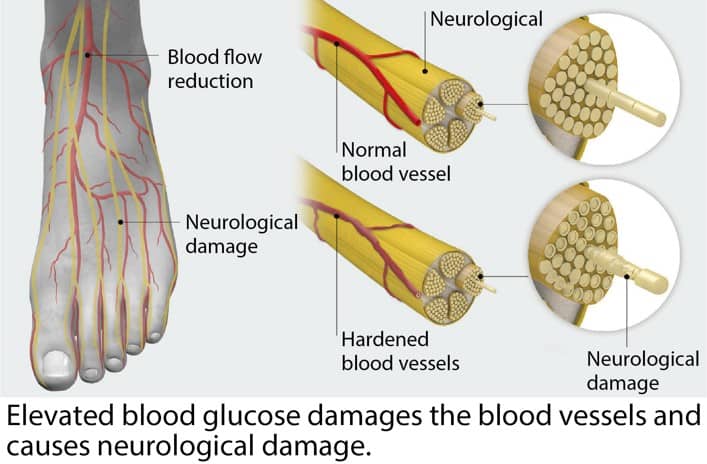
Diabetic peripheral neuropathy (DPN) is a common but easily overlooked serious complication of diabetes mellitus. It is caused by chronic hyperglycemia that triggers microvascular lesions and nerve damage, resulting in numbness, tingling, and sensory abnormalities in the extremities.
Most patients mistakenly attribute the initial symptoms to natural aging and delay treatment, resulting in the deterioration of the condition, which then develops into “diabetic foot,” – doubling the risk of foot ulcers and infections and even amputation.

糖尿病足風險評估

Early detection is key!!!!

Clinical studies have proven that more than 80% of amputations can be effectively prevented with regular neurological testing, blood glucose control, and foot care (e.g., pressure cushioning insoles and wound prevention management).
It emphasizes the importance of early nerve screening and multifaceted treatment integration to help patients avoid the risk of disability and maintain their quality of life.

糖尿病足風險評估

Pain Points of Traditional Testing

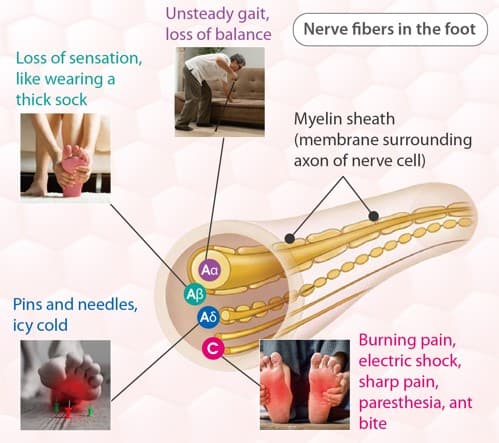
Traditional screening methods for diabetic neuropathy include the single filament test, tuning fork test, and nerve conduction test, which assesses the function of large myelinated nerves. There are many different nerve fibers in the foot, and when neuropathy occurs, the C-fiber, which is the smallest and not protected by myelin sheaths, is the first to be damaged. Nowadays, the latest equipment can test the function of the C-fiber, which can help detect the early stage of neuropathy.

FLOW-7: Diabetic Foot Risk Assessment

Early diagnosis of diabetic peripheral neuropathy can be accurately assessed with the Ankle Brachial Index (ABI), which quantifies lower extremity arterial blood flow non-invasively and simultaneously screens for peripheral arterial disease risk, and Quantitative Sweat Axonal Reflex Test (QSART) which measures C-fibre function and quantifies the degree of autonomic nerve damage objectively.

The two tests have three core advantages: (1) non-invasive operation, avoiding the risk of invasive nerve biopsy; (2) up to 95% sensitivity for detecting initial lesions; (3) quantitative data combined with vascular/neurological analysis to accurately locate microcirculatory disorders and small fibre neuropathies.

Non-invasive, fast and
highly sensitive
Up to 95%
accuracy

This combined test identifies high-risk groups before symptoms become apparent, providing a critical diagnostic basis for developing foot care programs and preventing irreversible injuries.

Graphic report allows doctors and patients to keep track of foot health status.

The FLOW-7 Case Sharing:

Mr. Li

Mr. Li, 58 years old, diabetes mellitus for 10 years.
Through FLOW-7 early detection of neuropathy and timely intervention.

Regular Data Comparison

Regular ankle-brachial index (ABI) and skin sympathetic nerve function testing with the FLOW-7,
enable early detection and intervention.

糖尿病足風險評估

Take action now to guard your feet!

Schedule a FLOW-7 inspection today and find out what’s going on with your foot health.

Tsuen Wan Centre*
Pedorthic Technology Ltd.
Room 1022, 10/F, Nan Fung Centre,
264 – 298 Castle Peak Road, Tsuen Wan, N.T.
(Tsuen Wan MTR Station Exit A)

Opening hours:
Mon & Wed to Sun : 10:30a.m. – 2:30p.m., 3:30p.m. – 7:00p.m.
(Closed on Tuesday)

Telephone: (852) 2808-1063 / 2808-1601

Whatsapp Enquiry: 52624273